
Headaches are common, but that doesn’t mean you have to simply live with them. For some people, headaches can become a regular part of life
—
affecting work, sleep, exercise, and everyday activities. While headaches can have many different causes, some are related to muscle tension, posture, neck mobility, and movement patterns. In these cases, physical therapy may be able to help reduce symptoms and address some of the factors contributing to your headaches.
What Causes Headaches?
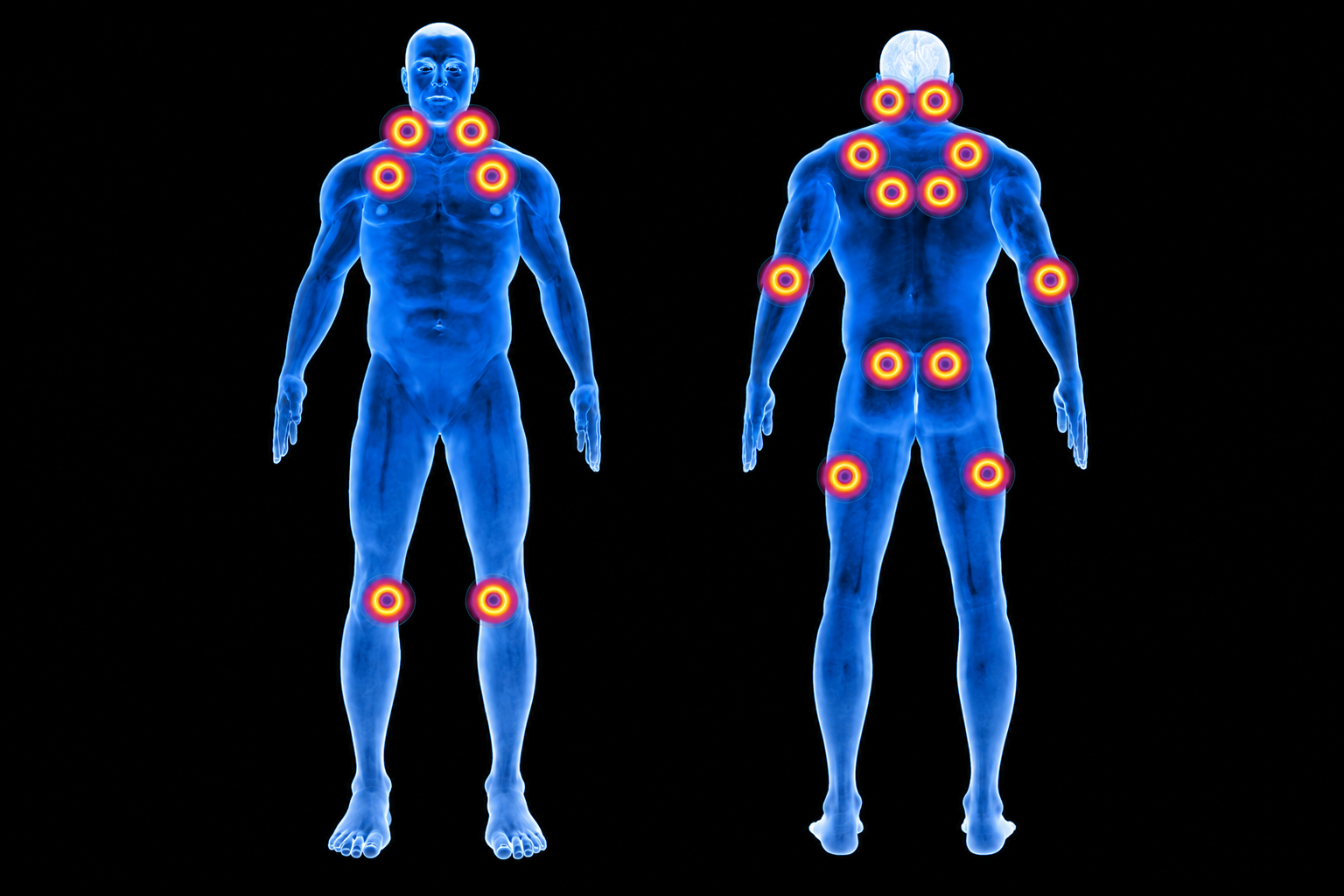
There are many different types and causes of headaches. Some headaches are related to stress, dehydration, lack of sleep, or illness, while others may be associated with the muscles and joints of the neck and upper back. Tension type headaches are particularly common and may involve:
- Tightness or tension in the neck and shoulders
- Pain or pressure around the forehead or temples
- Headaches associated with stress or muscle tension
- Neck stiffness or reduced mobility
Some people may also experience headaches that are associated with problems in the neck, sometimes called cervicogenic headaches.
How Can Your Neck Contribute to Headaches?
Your neck, shoulders, and upper back all work together to support your head and allow you to move comfortably. When certain muscles become overworked or joints become stiff, it can affect the way your neck and upper body move. For some individuals, this can contribute to headache symptoms. Common contributing factors may include:
- Poor or prolonged posture
- Limited neck mobility
- Weakness in the neck or upper back
- Tight muscles
- Prolonged sitting
- Frequent computer or phone use
- Repetitive movements
- Stress and muscle tension
A physical therapist can evaluate these factors and determine whether your neck and movement patterns may be contributing to your symptoms.
Things You Can Try at Home
If your headaches are related to muscle tension or your neck, a few simple habits may help.
1. Take Breaks From Sitting
If you spend much of your day at a desk or computer, avoid staying in one position for long periods. Stand up, walk around, and gently move your neck and shoulders throughout the day.
2. Pay Attention to Your Posture
Try to avoid spending long periods with your head pushed forward, particularly while looking at a phone or computer. Instead, keep your screen at a comfortable height and allow your shoulders to relax.
3. Move Your Neck Gently
Gentle neck movements can help maintain mobility.Slowly turn your head from side to side and gently look up and down. Movements should be comfortable and controlled don’t force a painful stretch
4. Strengthen Your Upper Back and Neck
Weakness in the muscles that support your neck and upper back can contribute to poor movement patterns. A physical therapist can recommend specific exercises based on your individual needs rather than simply giving you a one-size-fits-all routine.
5. Stay Hydrated and Get Adequate Sleep
Dehydration and poor sleep can contribute to headaches for many people. Maintaining regular hydration, getting adequate rest, and managing stress are important parts of overall headache management.
How Can Physical Therapy Help?
At Total Fitness Connection Physical Therapy, we look beyond the location of your pain. During an evaluation, your physical therapist may assess:
- Neck mobility
- Posture
- Neck and upper
- Shoulder mobility
- Muscle tension
- Movement patterns
- Work and activity habits
Based on your evaluation, your therapist can develop an individualized treatment plan that may include therapeutic exercises, manual therapy, mobility work, posture education, and a personalized home exercise program.
The goal is not simply to treat the headache when it occurs. The goal is to identify and address factors that may be contributing to your symptoms.
When Should You See a Physical Therapist?
If you experience frequent headaches, headaches associated with neck pain or stiffness, or headaches that interfere with your work, exercise, or daily life, it may be worth having your movement and neck function evaluated.
However, not every headache is appropriate for physical therapy. Seek immediate medical attention for a sudden, severe headache or a headache accompanied by symptoms such as weakness, numbness, confusion, difficulty speaking, vision changes, fainting, fever with a stiff neck, or other unusual or concerning symptoms.
Don’t Let Headaches Control Your Day
You shouldn’t have to plan your life around your next headache.If your headaches may be related to your neck, posture, or movement, physical therapy could be one part of your treatment plan.
Total Fitness Connection Physical Therapy in Bowling Green, KY is here to help you move better, feel better, and get back to the activities you enjoy.
Experiencing frequent headaches or neck pain? Contact Total Fitness Connection Physical Therapy to learn how physical therapy may be able to help

Hannah Logan, PTA