
Living With Fibromyalgia: How Physical Therapy Can Help
Dr. Austin Rayno, PT,DPT
Living with fibromyalgia can be challenging. Widespread pain, fatigue, stiffness, and difficulty sleeping can make everyday activities feel harder than they should.
While there is no single treatment that works for everyone, physical therapy can be an important part of managing fibromyalgia symptoms and improving your ability to participate in everyday activities.
At Total Fitness Connection Physical Therapy, our goal is to help you find ways to move comfortably, build strength gradually, and stay active without overwhelming your body.
What Is Fibromyalgia?
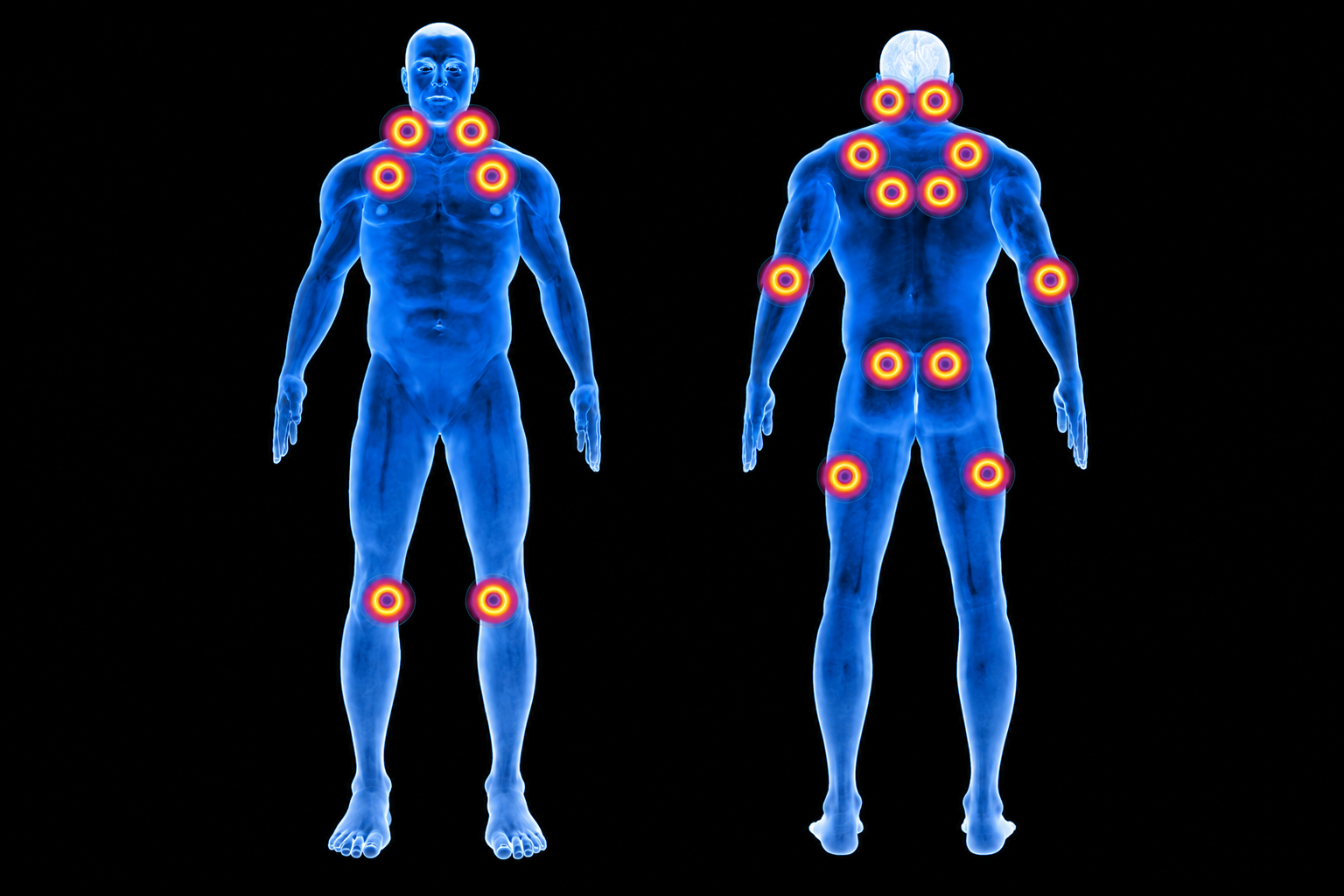
Fibromyalgia is a chronic condition associated with widespread musculoskeletal pain and increased sensitivity to pain. This increased sensitivity is known as central sensitization, which occurs when the nervous system becomes more sensitive to stimuli. As a result, sensations that may not normally be painful, such as light pressure or a gentle touch, can sometimes cause discomfort.
Fibromyalgia can affect everyone differently, and symptoms may change over time. Common symptoms include widespread pain, fatigue, muscle stiffness, sleep difficulties, headaches, difficulty concentrating or “brain fog,” increased sensitivity to touch, and reduced tolerance for physical activity.
Because symptoms can vary significantly from person to person, treatment should be individualized to each person’s needs and goals.
Why Can Movement Be Difficult With Fibromyalgia?
When you’re experiencing pain and fatigue, it can be tempting to avoid physical activity altogether. However, becoming less active can lead to decreased strength, endurance, flexibility, and confidence with movement.
This can create a frustrating cycle: pain can lead to less activity, which can result in decreased strength and endurance, making everyday activities more difficult and potentially increasing fatigue and discomfort.
The goal isn’t to push through pain. Instead, physical therapy can help you find a manageable level of activity and gradually build from there.
How Can Physical Therapy Help?
Physical therapy for fibromyalgia focuses on gradual, sustainable movement rather than pushing your body to its limits. Your physical therapist can help you improve strength, flexibility, mobility, balance, cardiovascular endurance, and overall activity tolerance.
Treatment may also include education, gentle mobility exercises, activity modification, body mechanics, and strategies for conserving energy. Your therapist can help you identify ways to adjust your activities during periods when symptoms are more intense.
The Importance of Pacing
One helpful strategy for managing chronic pain and fatigue is pacing. Instead of doing as much as possible on a good day and then needing several days to recover, pacing focuses on finding a sustainable level of activity.
This may mean breaking larger tasks into smaller activities, taking planned rest breaks, alternating more demanding and easier activities, and gradually increasing exercise. Paying attention to how your body responds after activity can also help you find the right balance.
The goal is consistency—not perfection.
Exercise Doesn’t Have to Be Intense
When it comes to fibromyalgia, exercise doesn’t have to mean pushing yourself to your limits. Low-impact activities can be a great place to start, depending on your individual needs and abilities.
Walking, gentle strengthening exercises, stretching, mobility exercises, aquatic exercise, and light cardiovascular activity may all be appropriate options.
Aquatic therapy can be particularly helpful for some individuals because exercising in water can reduce the amount of stress placed on the joints while allowing you to move and strengthen your body.
How Total Fitness Connection Can Help
At Total Fitness Connection Physical Therapy, we understand that everyone’s experience with fibromyalgia is different. Your physical therapist can work with you to develop an individualized plan based on your symptoms, activity level, goals, and tolerance for exercise.
Our goal isn’t to tell you to simply “push through” your symptoms. Instead, we want to help you find movement that your body can tolerate and gradually build from there.
You Don’t Have to Stop Moving
Fibromyalgia can make movement feel intimidating, but staying active in an appropriate and manageable way can be an important part of maintaining strength, mobility, and independence.
If pain and fatigue are keeping you from doing the things you enjoy, physical therapy may help you develop a plan that works for you.
Total Fitness Connection Physical Therapy in Bowling Green, KY is here to help you move better, build confidence, and get back to the activities that matter to you.
Living With Fibromyalgia?
Contact Total Fitness Connection Physical Therapy to learn more about how an individualized physical therapy program may help you manage your symptoms and stay active
Dr. Austin Rayno, PT,DPT